Startup community growth: 160,000 startups prove it works
TL;DR:
- Engaging in open source communities increases startup funding likelihood through visibility and credibility.
- Community provides trust, real-time feedback, and resilience, reducing founders’ burnout and isolation.
- Building a startup community requires intentional, ongoing relationship nurturing and shared purpose from inception.
Startups engaged in open source communities are statistically more likely to attract funding than those that go it alone. That single finding, drawn from research on over 160,000 US startups, challenges the common belief that product quality or marketing spend are the primary drivers of early success. Community is a growth lever most founders underestimate or ignore entirely. This guide breaks down why community matters, how it compares to product-led strategies, how it builds resilience, and how you can weave it into your startup from day one. The goal is practical clarity, not theory.
Table of Contents
- Why community matters for startups
- Community-led growth vs product-led growth: Choosing the right path
- How communities fuel sustainable growth and resilience
- Practical guide: Building community into your startup’s foundation
- What most founders miss about community-driven growth
- Build your startup community with expert support
- Frequently asked questions
Key Takeaways
| Point | Details |
|---|---|
| Community drives funding | Startups with engaged communities are more likely to secure early funding and investor interest. |
| CLG vs PLG matters | Understanding when to use community-led or product-led growth determines your startup’s go-to-market success. |
| Resilience through networks | A strong community protects founders from burnout and helps startups adapt to challenges. |
| Actionable integration | Integrating community into your startup from day one delivers lasting value beyond just marketing. |
Why community matters for startups
In the startup context, “community” is not just a social media following. It includes customers, active users, open source contributors, industry partners, and peer founders who share stakes in your success. Each group brings different value: users provide feedback, contributors accelerate development, partners open doors, and peers reduce isolation.
Research analyzing over 160,000 US startups found that community engagement boosts funding likelihood significantly. This matters because investors do not just evaluate products. They evaluate traction, validation, and the network surrounding a founding team. A visible, engaged community signals that real people care about what you are building.
Why do early adopters value community? Because it reduces their risk. Joining a startup ecosystem with active peers means shared knowledge, faster problem-solving, and a sense that the product will evolve. Community is a trust signal, not just a growth tactic.
Key benefits of community for early-stage startups:
- Provides real-time feedback loops that improve product decisions
- Increases visibility with investors and press without paid acquisition
- Creates peer accountability that supports founder well-being
- Reduces the isolation that leads to poor decisions and burnout
- Generates organic referrals that lower customer acquisition cost
“Startups that engage with communities early are not just building audiences. They are building infrastructure for sustainable growth.”
For mission-driven startup impact, community is especially critical. When your mission is tied to a specific group of people, those people become your most credible validators. Purpose-driven entrepreneurship works precisely because the community around a shared purpose amplifies every action the founder takes.
The well-being angle is real too. Founders who operate in isolation face higher rates of anxiety and decision fatigue. A community provides a support structure that no productivity app can replicate.
Community-led growth vs product-led growth: Choosing the right path
Community-led growth (CLG) and product-led growth (PLG) are two distinct go-to-market strategies. PLG relies on the product itself to drive adoption, with features like free trials, viral loops, and in-product upgrades doing the selling. CLG relies on people, shared identity, and collective engagement to drive adoption.
| Factor | Community-led growth | Product-led growth | Hybrid |
|---|---|---|---|
| Primary driver | People and relationships | Product experience | Both combined |
| Best for | Emerging categories, niche markets | Scalable SaaS, broad markets | Most mature startups |
| Key risk | Slow to scale without strong culture | High churn if community is absent | Requires more resources |
| Advantage | Deep loyalty, low CAC over time | Fast onboarding, measurable | Resilient and scalable |
CLG excels in emerging categories where affinity and shared identity drive adoption. Hybrid strategies tend to scale fastest because they combine the trust of community with the efficiency of product-led mechanics.
Steps to assess your startup’s readiness:
- Map your current user base. Are they connected to each other or isolated?
- Identify whether your product solves a shared problem or an individual one.
- Check if your category has existing communities you can join or lead.
- Evaluate your team’s capacity to manage community engagement consistently.
- Test one small community experiment before committing to a full CLG strategy.
Pro Tip: Even if your startup is product-led, run one small community experiment. Host a live Q&A, create a Slack group for early users, or start a newsletter with replies enabled. The data you collect will sharpen your positioning faster than any A/B test.
For founders exploring sustainable growth strategies, CLG offers a path that does not depend on ad spend or algorithm changes. And for those committed to purposeful growth, combining community with product creates a model that is both resilient and values-aligned.
The community-integrated model goes even further, embedding community logic across all business functions, not just marketing.
How communities fuel sustainable growth and resilience
Sustainable growth is not just about speed. It is about building a business that survives market shifts, founder challenges, and competitive pressure. Community is one of the most reliable buffers against all three.

Community-integrated go-to-market strategies provide horizontal leverage across functions including product, sales, support, and marketing. This means community is not a department. It is a way of operating.
| Startup type | Growth approach | Outcome |
|---|---|---|
| Community-first SaaS | Users co-create features | Higher retention, lower churn |
| Traditional SaaS | Top-down product roadmap | Faster early growth, higher churn |
| Open source project | Contributor-led development | Funding and talent advantages |
| Solo creator brand | Audience as co-owners | Loyalty and organic referral loops |
Ways communities support resilience:
- Rapid feedback enables faster pivots without expensive research
- Peer support networks reduce founder isolation and mental fatigue
- Community members often become brand defenders during crises
- Shared ownership of direction increases long-term user commitment
- Organic word-of-mouth reduces dependence on paid channels
Pro Tip: Treat your earliest users as co-creators, not just customers. Give them a channel to influence your roadmap. Even a simple monthly survey or a private forum thread builds the kind of loyalty that no discount can buy.
The well-being connection is direct. Founders with strong community ties report lower burnout rates. When you are accountable to a group of peers who understand your challenges, you make better decisions and recover faster from setbacks.
For more on how this plays out in practice, see community-driven business growth, community-driven brands, and how founder vision drives community growth at scale.
Practical guide: Building community into your startup’s foundation
Knowing community matters is not enough. You need a repeatable process for finding, engaging, and nurturing the right people from day one.
Step-by-step: Building your first startup community
- Define who your community is. Not everyone is your community. Identify the specific group of people whose problem you solve and whose success you share.
- Go where they already gather. Forums, Discord servers, LinkedIn groups, and local meetups are all valid starting points. Join before you promote.
- Contribute value before asking for anything. Answer questions, share resources, and introduce people. Build credibility first.
- Create a lightweight gathering point. A newsletter, a Slack group, or a monthly call. Keep it simple and consistent.
- Invite your first ten members personally. Personal invitations convert far better than public announcements.
- Establish a feedback ritual. A monthly check-in, a shared survey, or an open roadmap keeps the community engaged and gives you usable data.
- Recognize contributors publicly. Acknowledge the people who show up. Recognition is the lowest-cost retention tool available.
Engaging communities early transforms both growth and funding prospects. The research is clear on this point.
Common mistakes to avoid:
- Overengineering the platform before you have members
- Treating community as a marketing channel rather than a relationship
- Ignoring offline opportunities like events, meetups, and local networks
- Measuring only vanity metrics like follower count instead of engagement depth
- Abandoning the community during busy product cycles
For structured next steps, the action planning for sustainable progress guide and the purpose-driven entrepreneurship checklist offer practical frameworks. If you are evaluating whether community fits your model, sustainable entrepreneurship benefits covers the broader case.
Choosing the right engagement channels matters too. Email has the highest ownership. Slack and Discord offer real-time connection. Public forums build discoverability. Use at least two channels and keep them active.
What most founders miss about community-driven growth
Most founders treat community as a marketing tactic. They launch a Discord server after their product ships, post a few times, and wonder why no one engages. That approach misses the point entirely.
Community is not a channel. It is the cultural operating system of a startup that intends to last. The biggest wins from community do not come from customer acquisition. They come from peer stewardship: the moment your users start helping each other, defending your product, and shaping your direction without being asked.
Founder well-being is also directly tied to community structure. Workflow optimization and productivity tools do not prevent burnout. A support network of peers who understand your specific pressures does. This is not a soft benefit. It is a structural one.
The myth that community is only relevant for B2C or social startups is worth pushing back on. B2B founders, solo operators, and deep-tech teams all benefit from community when it is built around shared purpose rather than shared demographics.
Purposeful sustainable growth requires letting the community shape direction. Top-down management of a community kills it. The founders who build the most resilient businesses are the ones who learn to lead from within the community, not above it.
Build your startup community with expert support
Building a community-driven startup is not just about tactics. It requires clarity on who you are building for and why it matters before you scale anything.
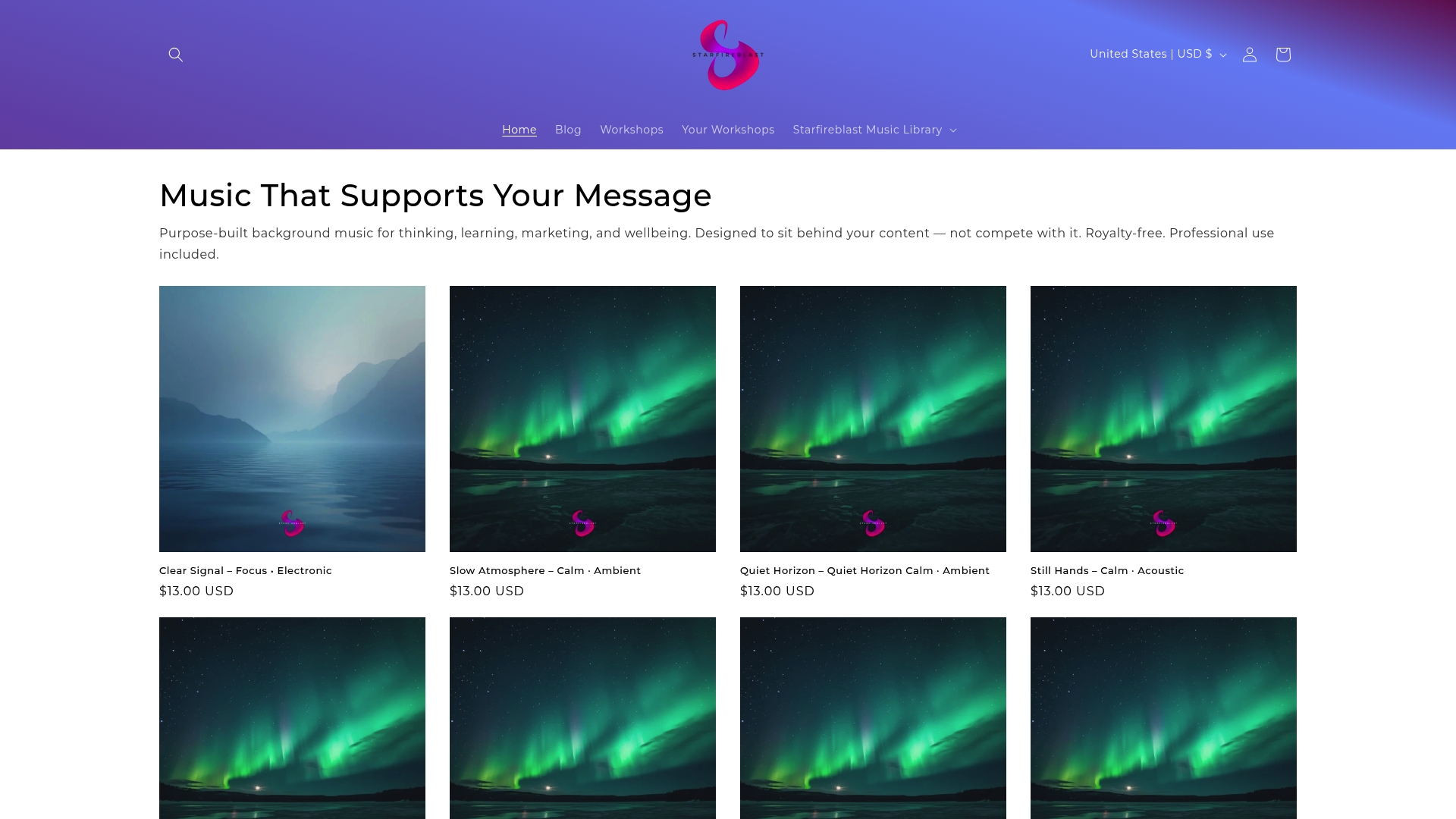
Starfireblast is built for founders who want to move from confusion to clear, community-aligned action. The Customer StarMap™ Power Workshop helps you map exactly who your community is, what they need, and how to position your startup around them. It is a structured, practical session designed to give you a foundation that scales. Explore the full range of tools and frameworks at Starfireblast and start building with purpose, not just speed.
Frequently asked questions
How does participating in open source communities impact startup funding?
Startups active in open source communities are statistically more likely to attract funding due to increased visibility and credibility with investors. Community engagement signals real-world validation that product metrics alone cannot provide.
What’s the main difference between community-led and product-led growth?
Community-led growth focuses on engaging users as advocates and co-creators, while product-led growth relies on the product experience itself to drive adoption. Hybrid strategies scale fastest by combining both approaches.
How can communities help prevent founder burnout?
Communities provide peer accountability and emotional support that reduce the isolation founders commonly experience. A strong support network addresses burnout at the structural level, not just the symptom level.
Is community-building valuable for B2B startups?
Yes. Community strategies benefit both B2B and B2C startups by building trust, generating honest feedback, and creating resilience against market shifts. The format differs, but the value is consistent across categories.
Recommended
- Sustainable growth strategies for entrepreneurs in 2026 – Starfireblast
- Mission-Driven Startups: Fueling Sustainable Impact – Starfireblast
- 10 growth mindset exercises for entrepreneurs in 2026 – Starfireblast
- Entrepreneur productivity tips: work smarter in 2026 – Starfireblast
- Building Your Startup’s Sales Playbook: From Founder Hustle to Scalable Success - Sales Label IT Consulting
- Why startups struggle to be seen online: the SEO mistakes to fix first - Gregg King SEO