Master key leadership skills for innovators to drive impact
Innovators face a unique challenge: translating bold ideas into sustainable action requires more than creativity alone. You need a deliberate leadership skill set that balances vision with execution, emotional intelligence with risk tolerance, and adaptability with accountability. Without these capabilities, even the most promising innovations stall or fail to scale meaningfully. This article explores the essential leadership skills innovators must develop to transform ideas into lasting organizational impact, offering practical frameworks, tools, and strategies to refine your approach and drive sustainable innovation.
Table of Contents
- Key takeaways
- Essential leadership skills to transform innovation
- Balancing leadership behaviors: bright and dark sides
- Evaluating and enhancing your leadership impact on innovation
- Choosing the right leadership approach for your innovation context
- Explore leadership development with Starfireblast
- FAQ
Key Takeaways
| Point | Details |
|---|---|
| Balanced leadership traits | Innovative leadership requires balancing vision with execution and emotional intelligence with risk tolerance to move ideas into scalable action. |
| Emotional intelligence | Emotional awareness and empathy foster psychological safety that accelerates collaboration and practical outcomes. |
| Bright and dark traits | Understanding both positive and negative leadership traits helps sustain morale and organizational health. |
| Benchmark with surveys | Leadership surveys and practical tools help measure effectiveness and identify growth areas. |
| Continuous learning | Ongoing learning keeps leaders relevant as the organization evolves and ideas scale. |
Essential leadership skills to transform innovation
Innovative leaders exhibit key traits including visionary thinking, empathy, risk tolerance, adaptability, and curiosity. These capabilities work together to create an environment where ideas flourish and teams feel empowered to experiment. Visionary thinking provides the north star for your innovation efforts, helping you articulate a compelling future that motivates stakeholders and aligns resources. Without a clear vision, innovation becomes reactive rather than strategic.
Emotional intelligence is equally critical. You need to recognize and manage your own emotions while understanding how your team members feel and what drives them. This skill fosters psychological safety, encouraging people to share unconventional ideas without fear of judgment. When team members feel heard and valued, collaboration deepens and innovation accelerates.
Risk tolerance separates innovators from incrementalists. You must be willing to pursue bold experiments, knowing some will fail. This doesn’t mean reckless gambling; it means calculated risk-taking informed by data and intuition. Adaptability complements risk tolerance by allowing you to pivot quickly when experiments don’t pan out or when market conditions shift unexpectedly.

Curiosity fuels continuous learning and creative problem-solving. Innovators who remain curious explore adjacent fields, challenge assumptions, and ask why things work the way they do. This mindset generates fresh perspectives and uncovers opportunities others miss.
Pro Tip: Schedule regular learning sessions where you explore topics outside your core domain. Cross-disciplinary insights often spark breakthrough innovations.
To develop these skills systematically, consider integrating practices from purpose-driven entrepreneurship that align your leadership growth with meaningful organizational goals. Here’s a practical breakdown:
- Visionary thinking: Dedicate time each quarter to articulate and refine your long-term vision. Share it widely and invite feedback.
- Emotional intelligence: Practice active listening in every meeting. Notice non-verbal cues and validate team emotions.
- Risk tolerance: Create a safe-to-fail environment by celebrating learning from experiments, not just successes.
- Adaptability: Build reflexive habits by regularly reviewing what’s working and what needs adjustment.
- Curiosity: Set aside time weekly to read or explore topics unrelated to your immediate work.
Balancing leadership behaviors: bright and dark sides
Productive conflict strengthens innovation; dark-side traits like narcissism require self-awareness to mitigate risks. Leadership is not purely positive. Every innovator possesses traits that, when unchecked, can undermine team morale and organizational sustainability. Understanding this duality is essential for long-term success.
Dark-side traits like narcissism, volatility, or authoritarianism can initially drive results by creating urgency or projecting confidence. However, these same traits erode trust, stifle dissent, and create toxic cultures over time. Narcissistic leaders may inspire bold moves but often ignore feedback and alienate collaborators. Recognizing your own dark-side tendencies is the first step toward managing them.
Productive conflict, when managed well, drives innovation rather than stalling it. You need to distinguish between healthy debate that challenges ideas and destructive conflict that attacks people. Bright-side leadership fosters the former by creating norms where disagreement is expected and valued. Dark-side leadership amplifies the latter by personalizing disputes and punishing dissent.
Self-awareness and accountability are essential to balancing these traits. Regular reflection, peer feedback, and coaching help you identify when your behaviors shift from productive to harmful. Cultural context also matters. Leadership behaviors that work in one organizational culture may backfire in another. For example, Elon Musk’s leadership style thrives in high-risk, fast-paced environments but might alienate teams in more collaborative, consensus-driven cultures.
Innovators should develop mechanisms to mitigate negative leadership influences. Consider these strategies:
- Establish feedback loops where team members can safely share concerns about your leadership impact.
- Partner with a mentor or coach who challenges your assumptions and holds you accountable.
- Build diverse leadership teams that balance different styles and perspectives.
- Create decision-making frameworks that prevent impulsive or ego-driven choices.
“Leadership effectiveness depends not only on bright-side strengths but also on managing dark-side risks. Self-awareness transforms potential liabilities into opportunities for growth.”
Integrating practices from sustainable success frameworks helps you maintain balance between ambition and well-being, ensuring your leadership remains effective over the long haul.
Evaluating and enhancing your leadership impact on innovation
Validated tools like the Innovative Leader Survey (ILS) help assess leadership effectiveness in driving employee innovation. Measurement is critical for improvement. Without benchmarks, you can’t identify gaps or track progress. The ILS and similar instruments provide reliable frameworks for evaluating how your leadership behaviors influence team innovation.
Leadership development programs foster emotional intelligence and agile thinking. These programs typically combine self-assessment, skill-building workshops, and peer learning. Comparing development options helps you choose best-fit programs aligned with your goals and organizational context. Look for programs that emphasize practical application, not just theory.
Monitoring leadership impact on innovation requires ongoing assessment and feedback. Establish regular check-ins with your team to gauge how your leadership affects their ability to innovate. Use surveys, one-on-one conversations, and performance metrics to triangulate insights. Combining tools and training maximizes sustainable innovation outcomes.
| Development Option | Focus Area | Best For | Time Commitment |
|---|---|---|---|
| Executive coaching | Personalized growth | Senior leaders | 3-6 months |
| Leadership workshops | Skill-building | Mid-level managers | 2-5 days |
| Peer learning groups | Shared experiences | All levels | Ongoing |
| Self-assessment tools | Baseline measurement | Individual contributors | 1-2 hours |
Pro Tip: Combine quantitative assessments like the ILS with qualitative feedback from your team. Numbers reveal patterns, but stories provide context and actionable insights.
Leveraging AI tools for entrepreneurs can streamline administrative tasks, freeing time for leadership development activities. Additionally, integrating action planning frameworks ensures your leadership growth translates into tangible innovation outcomes.
Choosing the right leadership approach for your innovation context
Transformational leadership is effective but Western-centric; ambidextrous, phronetic, and digital leadership offer nuanced approaches. Leadership is not one-size-fits-all. The framework you adopt must align with your organizational culture, innovation goals, and the specific challenges you face.
Transformational leadership inspires teams by articulating a compelling vision and modeling desired behaviors. It works well in cultures that value autonomy and intrinsic motivation. However, it may not fit hierarchical or collectivist cultures where directive leadership is expected. Ambidextrous leadership balances exploration and exploitation in innovation. You need to simultaneously pursue breakthrough ideas and optimize existing processes, a tension that requires deliberate attention and resource allocation.
Phronetic leadership emphasizes practical wisdom and reflexivity. It’s about making sound judgments in complex, ambiguous situations by drawing on experience, ethical reasoning, and contextual awareness. This approach suits innovators navigating rapidly changing environments where playbooks don’t exist. Digital leadership is increasingly vital for technology-driven innovation. It involves understanding digital tools, fostering digital fluency across teams, and leveraging data for decision-making.
Aligning leadership style with context enhances innovation effectiveness. Consider your organizational maturity, industry dynamics, and team composition when selecting a framework. Here are steps to identify and adapt your leadership approach for maximum impact:
- Assess your current organizational culture and innovation maturity level.
- Identify the primary challenges your innovation efforts face, such as risk aversion or resource constraints.
- Evaluate which leadership frameworks align with your context and goals.
- Experiment with elements from multiple frameworks to create a hybrid approach.
- Gather feedback from your team on how your leadership style affects their innovation capacity.
- Refine your approach based on feedback and evolving organizational needs.
| Leadership Framework | Core Focus | Ideal Context | Key Strength |
|---|---|---|---|
| Transformational | Vision and inspiration | Autonomous cultures | Motivates intrinsic commitment |
| Ambidextrous | Balancing explore/exploit | Mature organizations | Manages dual priorities |
| Phronetic | Practical wisdom | Uncertain environments | Contextual judgment |
| Digital | Technology fluency | Tech-driven sectors | Data-informed decisions |
Understanding the role of vision in growth helps you articulate a compelling direction that aligns with your chosen leadership framework. For deeper insights into practical leadership skills, explore leadership skills for managers to see how different contexts demand different capabilities.
Explore leadership development with Starfireblast
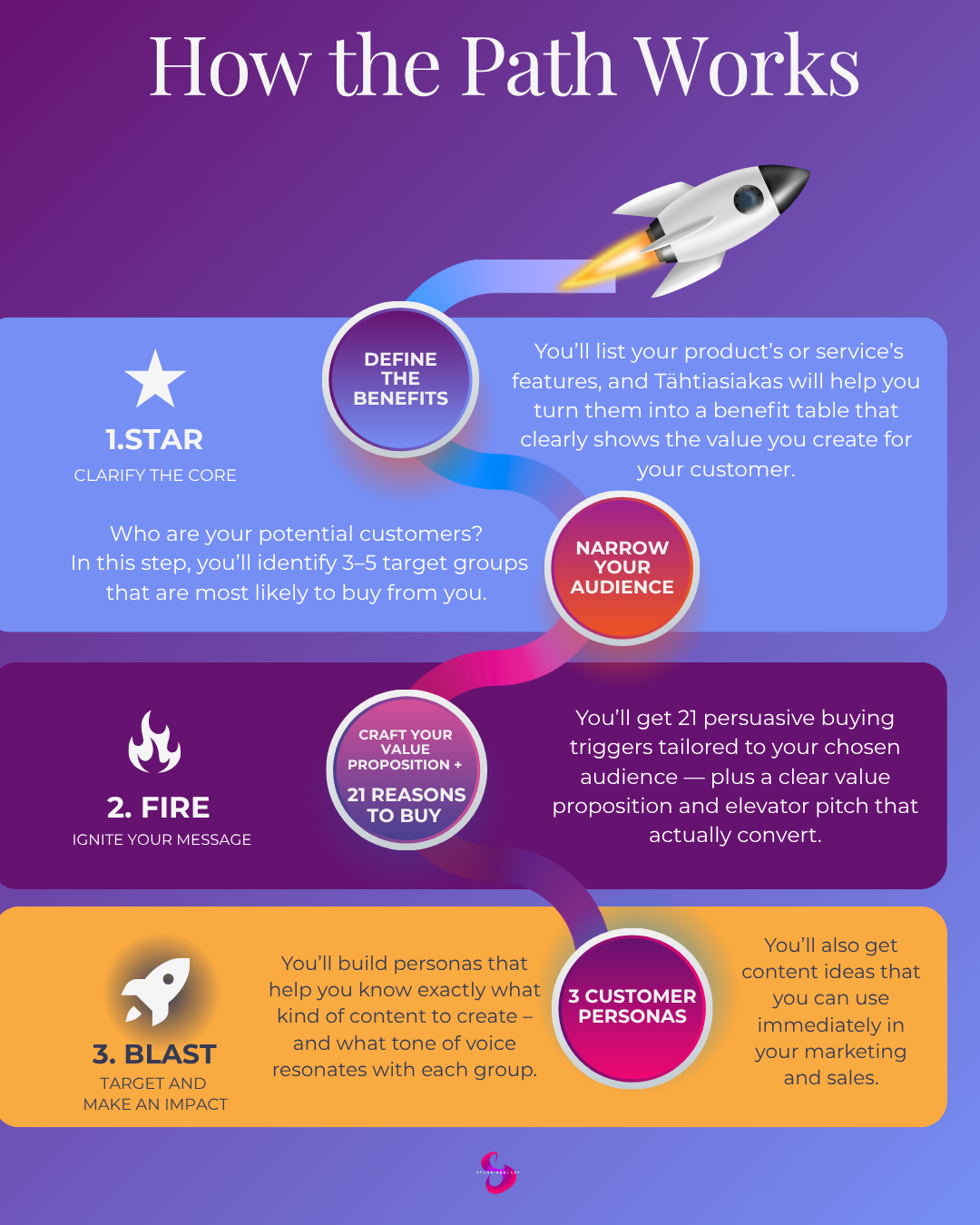
You’ve explored the essential leadership skills innovators need and the frameworks that guide effective innovation. Now it’s time to translate these insights into action. Starfireblast offers targeted workshops designed to help you develop leadership skills that drive sustainable impact. Our Customer StarMap AI Power Workshop helps you align leadership capabilities with customer understanding and strategic clarity, ensuring your innovation efforts create meaningful value.
Access additional resources and expert guidance for leadership growth through our platform. We focus on practical, AI-assisted tools that support everyday execution without overwhelming you. Join a community of solo entrepreneurs, small teams, and creators who are building living, evolving businesses rooted in purpose and planetary productivity. Visit Starfireblast to explore workshops, resources, and community-driven growth strategies that help you lead with impact.
FAQ
What are the top leadership skills innovators need?
Vision, emotional intelligence, adaptability, risk tolerance, and curiosity form the core skill set for innovative leaders. This blend fosters sustainable innovation by balancing strategic direction with team empowerment and learning agility. Developing these skills requires intentional practice and regular reflection on how your behaviors impact innovation outcomes.
How can innovators balance the risks of dark leadership traits?
Self-awareness, accountability, and cultural fit are critical to mitigating dark traits like narcissism in leadership. Establish feedback loops where team members can safely share concerns about your leadership impact. Partner with mentors or coaches who challenge your assumptions and help you recognize when productive confidence crosses into harmful arrogance.
What tools help assess leadership effectiveness in innovation?
Validated surveys like the Innovative Leader Survey (ILS) provide reliable benchmarks for evaluating how your leadership behaviors influence team innovation. Leadership development programs that combine self-assessment with skill-building workshops offer structured growth paths. Combining quantitative tools with qualitative feedback from your team gives you a complete picture of your leadership impact.
How do leadership styles influence innovation success?
Choosing leadership styles like transformational, ambidextrous, or phronetic based on your organizational culture and innovation goals enhances outcomes. Transformational leadership inspires through vision but may not fit hierarchical cultures. Ambidextrous leadership balances exploration and exploitation, ideal for mature organizations. Phronetic leadership emphasizes practical wisdom in uncertain environments, while digital leadership leverages technology for data-informed decisions.
Recommended
- Founder Vision Drives 40% More Community Growth in 2026 – Starfireblast
- How productivity drives sustainable success for entrepreneurs – Starfireblast
- 7 Essential Steps for a Resilient Entrepreneur Mindset List – Starfireblast
- Action Planning for Entrepreneurs: Achieve Sustainable Progress – Starfireblast
- Leadership Skills for Managers: Driving Event Success | Jigsaw Conferences