Business sustainability fundamentals for small entrepreneurs in 2026
Micro and small enterprises employ over 60% of the global workforce and drive significant production worldwide, yet many entrepreneurs believe sustainable business practices remain out of reach for resource-limited teams. This misconception prevents countless solo entrepreneurs and small businesses from capturing the competitive advantages and profitability gains that sustainability offers. This guide clarifies how you can integrate ecological responsibility and human well-being into your business model without requiring corporate-level resources. You’ll discover practical approaches tailored to your context, proven innovations across technology and strategy, and actionable steps to build a sustainable enterprise that thrives economically while contributing positively to society and the environment.
Table of Contents
- Why Sustainability Matters For Micro And Small Enterprises
- Common Challenges Small Businesses Face Implementing Sustainability
- Effective Sustainable Practices And Innovations For Small Businesses
- Adapting And Integrating Sustainability Into Your Business Model
- Explore Starfireblast For Sustainable Business Growth Support
- Frequently Asked Questions
Key takeaways
| Point | Details |
|---|---|
| MSEs drive global economy | Micro and small enterprises represent the majority of employment and production worldwide, making their sustainability practices critical for collective impact. |
| Sustainability boosts competitiveness | Adopting sustainable practices improves profitability and market position while delivering social and environmental benefits. |
| Context matters for success | Effective sustainability approaches must adapt to local resources, regulatory environments, and business realities rather than following one-size-fits-all solutions. |
| Innovation spans multiple domains | Sustainable business transformation includes technological improvements, product redesign, strategic alignment, and social-environmental initiatives. |
| Small scale enables agility | Resource constraints actually position small businesses to implement focused, high-impact sustainability changes faster than large organizations. |
Why sustainability matters for micro and small enterprises
You might assume sustainability initiatives belong exclusively to corporations with dedicated departments and substantial budgets. The reality contradicts this assumption entirely. Micro and small enterprises drive economic and social development globally, representing the backbone of employment and production in most economies. Your business decisions collectively shape environmental outcomes, community well-being, and economic resilience far more than individual corporate giants.
The business case for sustainability extends beyond ethical considerations. Sustainable practices improve competitiveness and profitability while contributing measurably to social and environmental well-being. When you integrate sustainability into your operations, you reduce waste-related costs, attract values-aligned customers willing to pay premium prices, and build resilience against resource scarcity and regulatory changes. These advantages compound over time, creating competitive moats that protect your market position.
Small enterprises face unique sustainability challenges but also possess distinct advantages. You can pivot quickly, test innovations without bureaucratic delays, and build authentic relationships with customers who value your commitment to responsible practices. Your size enables experimentation that larger competitors cannot risk. Understanding sustainable entrepreneurship importance helps you recognize how your business model can evolve to support both profitability and planetary health.
Three core benefits justify early sustainability integration:
- Cost reduction through resource efficiency and waste minimization
- Revenue growth from differentiation and values-based customer loyalty
- Risk mitigation against supply chain disruptions and regulatory shifts
The transition to sustainable operations represents an investment in long-term viability rather than a charitable expense. Your customers increasingly evaluate purchasing decisions through sustainability lenses, rewarding businesses that demonstrate genuine commitment to ecological responsibility and human well-being. This shift creates market opportunities for entrepreneurs willing to lead rather than follow. Exploring sustainable business growth explained reveals how sustainability drives business evolution beyond traditional growth metrics.
Sustainability isn’t about sacrificing profits for principles. It’s about recognizing that long-term profitability depends on healthy ecosystems, thriving communities, and resource stewardship that extends beyond quarterly earnings cycles.
Common challenges small businesses face implementing sustainability
Resource constraints represent the most frequently cited barrier to sustainability adoption among micro and small enterprises. MSEs face substantial difficulties incorporating sustainable practices due to limited financial resources, capacity constraints, information access gaps, operational resource scarcity, and absent regulatory frameworks. These challenges feel overwhelming when you’re managing daily operations with minimal staff and tight budgets. Understanding these barriers helps you develop realistic strategies rather than abandoning sustainability goals entirely.
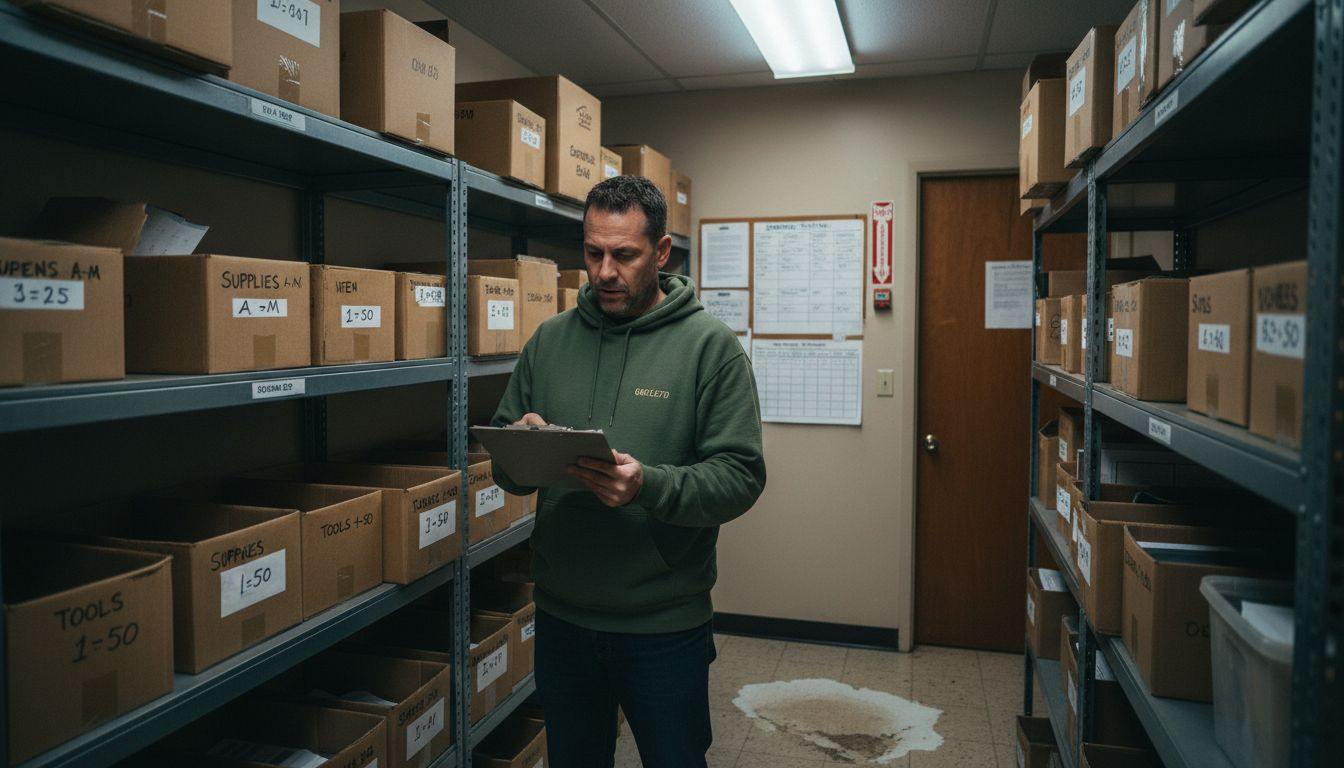
Financial limitations affect your ability to invest in efficiency upgrades, sustainable materials, or certification processes that larger competitors pursue easily. You lack dedicated sustainability personnel, forcing you to integrate these responsibilities into already full schedules. Capital access remains restricted compared to established corporations, making equipment upgrades or facility improvements financially risky. These constraints require creative approaches that prioritize high-impact, low-cost interventions over comprehensive overhauls.
Information asymmetry creates additional obstacles. You struggle to identify credible sustainability guidance tailored to small business contexts rather than corporate scenarios. Greenwashing pervades marketing channels, making it difficult to distinguish genuine sustainable suppliers from those merely claiming environmental credentials. Technical knowledge gaps prevent you from evaluating claims about materials, processes, or technologies effectively. This information scarcity leads to decision paralysis or misallocated resources.
Operational realities compound these challenges:
- Limited staff bandwidth restricts time available for sustainability research and implementation
- Supply chain dependencies constrain your ability to source sustainable alternatives
- Customer price sensitivity limits premium pricing for sustainable products
- Regulatory uncertainty makes long-term sustainability investments risky
Regulatory frameworks often lag behind sustainability needs, particularly in emerging markets or rapidly evolving sectors. You face unclear standards, inconsistent enforcement, or complete absence of guidelines for sustainable practices in your industry. This regulatory vacuum forces you to self-regulate without clear benchmarks or compliance pathways. Conversely, some jurisdictions impose regulations designed for large enterprises that impose disproportionate compliance burdens on small businesses.
Recognizing these barriers as systemic rather than personal failures helps you approach sustainability strategically. You can prioritize initiatives within current capacity, seek collaborative solutions through industry networks, and advocate for supportive policies while implementing incremental improvements. Examining sustainable growth strategies reveals how entrepreneurs navigate resource constraints through focused prioritization and community collaboration.
Pro Tip: Start by measuring your current resource consumption and waste generation. This baseline costs nothing but provides essential data for identifying high-impact sustainability opportunities that align with immediate cost reduction goals.
Effective sustainable practices and innovations for small businesses
Sustainable innovation extends far beyond recycling bins and energy-efficient lighting. Research identifies sustainable practices spanning technological innovation, product innovation, strategic management, and economic, social, and environmental dimensions. Understanding this breadth helps you identify opportunities matching your business model, customer needs, and resource availability. You don’t need to excel across all categories simultaneously. Strategic focus on areas offering maximum impact relative to investment yields better results than scattered efforts.
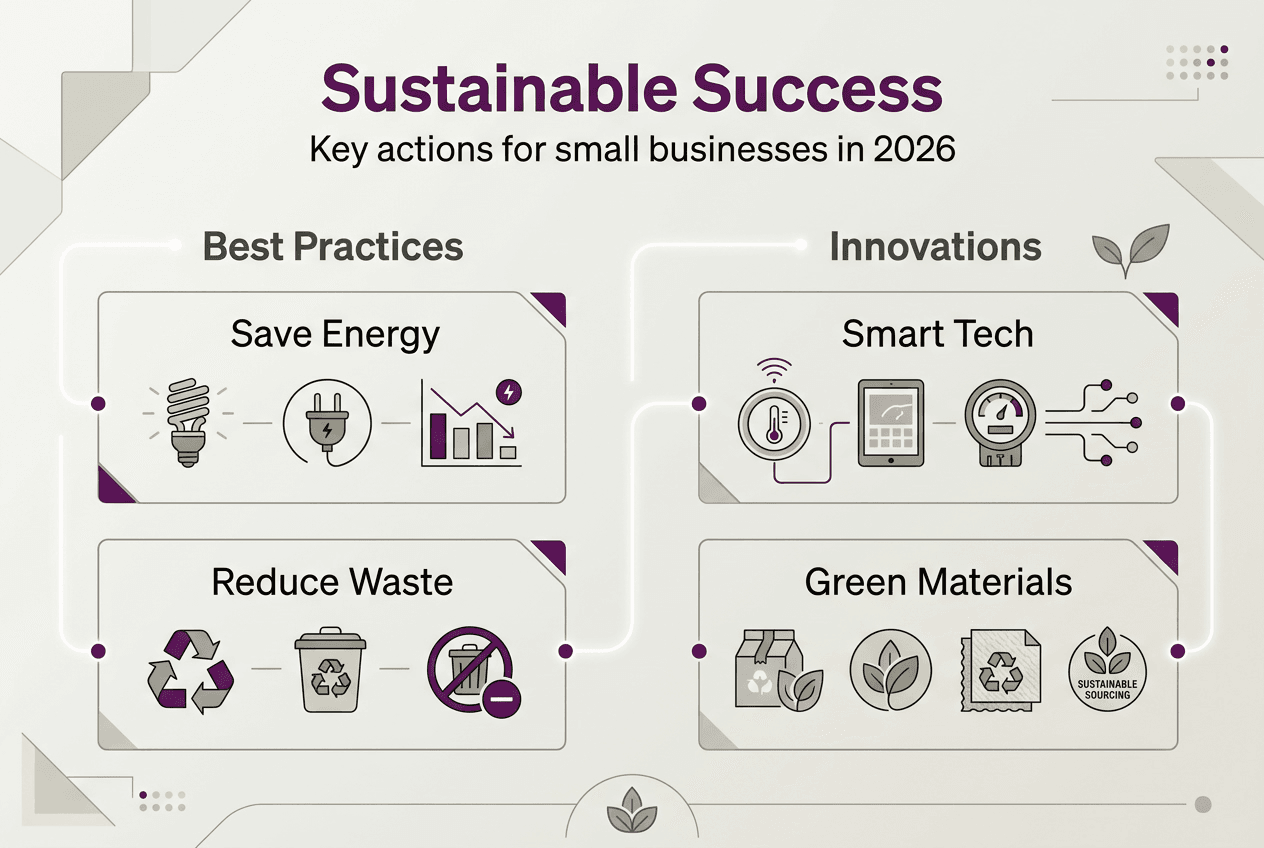
Technological innovations reduce resource consumption, minimize waste, and improve operational efficiency through process improvements and equipment upgrades. These range from simple workflow digitization that eliminates paper waste to sophisticated energy management systems that optimize consumption patterns. Product innovations integrate sustainability into what you sell rather than just how you operate. This includes using recycled or renewable materials, designing for durability and repairability, or creating offerings that help customers reduce their own environmental footprints.
Strategic management innovations align your business purpose, culture, and decision-making frameworks with sustainability values. This integration ensures sustainability considerations influence every significant business decision rather than existing as isolated initiatives. Social and environmental practices address your impacts on communities, ecosystems, and stakeholder well-being through employment practices, community engagement, and ecological stewardship. Adopting these practices improves competitiveness while contributing to social and environmental well-being.
| Innovation Type | Example Practices | Primary Benefits |
|---|---|---|
| Technological | Process automation, renewable energy adoption, waste tracking systems | Reduced operating costs, improved efficiency, lower environmental impact |
| Product | Sustainable materials, modular design, service-based models | Market differentiation, customer loyalty, reduced resource intensity |
| Strategic | Purpose-driven mission, stakeholder governance, impact measurement | Cultural alignment, decision clarity, long-term resilience |
| Social-Environmental | Fair labor practices, community partnerships, habitat restoration | Reputation enhancement, regulatory compliance, ecosystem health |
Prioritizing practices suited to your specific context maximizes return on sustainability investments. Consider these implementation steps:
- Assess your current environmental and social footprint across operations, products, and supply chain
- Identify high-impact improvement opportunities that align with business goals and customer values
- Pilot one or two initiatives with clear success metrics before expanding efforts
- Engage employees, customers, and suppliers in sustainability goals to build momentum
- Document and communicate progress transparently to build credibility and accountability
Your sustainability journey benefits from connecting productivity and sustainable success rather than treating them as competing priorities. Efficient resource use simultaneously reduces costs and environmental impact. Customer-centric product design creates value while minimizing waste. Strategic action planning for sustainability helps you sequence initiatives for maximum cumulative impact.
Pro Tip: Choose sustainability practices that solve existing business problems rather than creating new obligations. If customer acquisition costs concern you, sustainability differentiation can attract values-aligned customers at lower cost than traditional marketing channels.
Adapting and integrating sustainability into your business model
Successful sustainability integration requires adapting general principles to your unique business context rather than copying corporate playbooks. Sustainable practice adoption varies widely across sectors and countries, underscoring the importance of tailoring approaches to local contexts, available resources, and stakeholder expectations. Your geographic location, industry dynamics, customer demographics, and regulatory environment all influence which practices deliver optimal results. Generic sustainability checklists often waste resources on low-impact activities while missing high-leverage opportunities specific to your situation.
Continuous monitoring and measurement enable data-driven sustainability improvements over time. You need baseline metrics across social, environmental, and economic dimensions to track progress objectively. These measurements reveal which initiatives deliver promised benefits and which require adjustment or abandonment. Start with simple metrics you can track consistently rather than sophisticated frameworks requiring specialized expertise. Energy consumption, waste generation, customer satisfaction, and employee retention provide actionable insights without complex measurement systems.
Stakeholder engagement accelerates sustainability progress by leveraging collective knowledge and shared commitment. Your employees often identify operational inefficiencies and improvement opportunities invisible from management perspectives. Customers provide valuable feedback on sustainability priorities that influence purchasing decisions. Suppliers may offer sustainable alternatives you haven’t discovered independently. Community partnerships create mutual benefit while building social capital that supports long-term business resilience.
| Integration Approach | Key Activities | Success Metrics |
|---|---|---|
| Purpose Alignment | Embed sustainability in mission, values, and strategic planning | Decision consistency, cultural adoption, stakeholder clarity |
| Operations Optimization | Measure resource flows, identify waste, implement efficiency improvements | Cost reduction, resource productivity, waste diversion rates |
| Product Evolution | Redesign offerings for sustainability, communicate value transparently | Customer acquisition, premium pricing, product lifecycle impact |
| Community Engagement | Partner with local organizations, support ecosystem health, fair employment | Reputation scores, community support, employee satisfaction |
Integrating sustainability into your business purpose and culture ensures lasting transformation rather than superficial greenwashing. When sustainability becomes central to how you define success and make decisions, it influences every aspect of operations naturally. This cultural integration prevents sustainability initiatives from being abandoned during challenging periods when they’re dismissed as optional expenses. Clarifying business purpose around sustainability creates authentic differentiation that resonates with customers and attracts talent.
Data-driven approaches guide sustainable growth decisions by revealing true impacts rather than relying on assumptions or aspirations. Track both leading indicators like process changes implemented and lagging indicators like actual resource consumption and waste generation. This dual focus helps you understand whether actions produce intended outcomes. Regular review cycles allow course corrections before minor issues become major problems.
Practical integration steps include:
- Conducting materiality assessments to identify sustainability issues most relevant to your business and stakeholders
- Setting specific, measurable sustainability goals with clear timelines and accountability
- Allocating dedicated time and budget for sustainability initiatives despite competing priorities
- Building sustainability competencies through training, partnerships, and continuous learning
Understanding how community drives sustainable business growth reveals collaboration opportunities that reduce individual resource requirements while amplifying collective impact. Shared learning networks, cooperative purchasing, and joint advocacy efforts enable small businesses to achieve sustainability outcomes impossible independently.
Pro Tip: Create a simple sustainability dashboard tracking three to five key metrics you review monthly. This consistent attention signals organizational priority while providing early warning of performance deviations requiring intervention.
Explore Starfireblast for sustainable business growth support
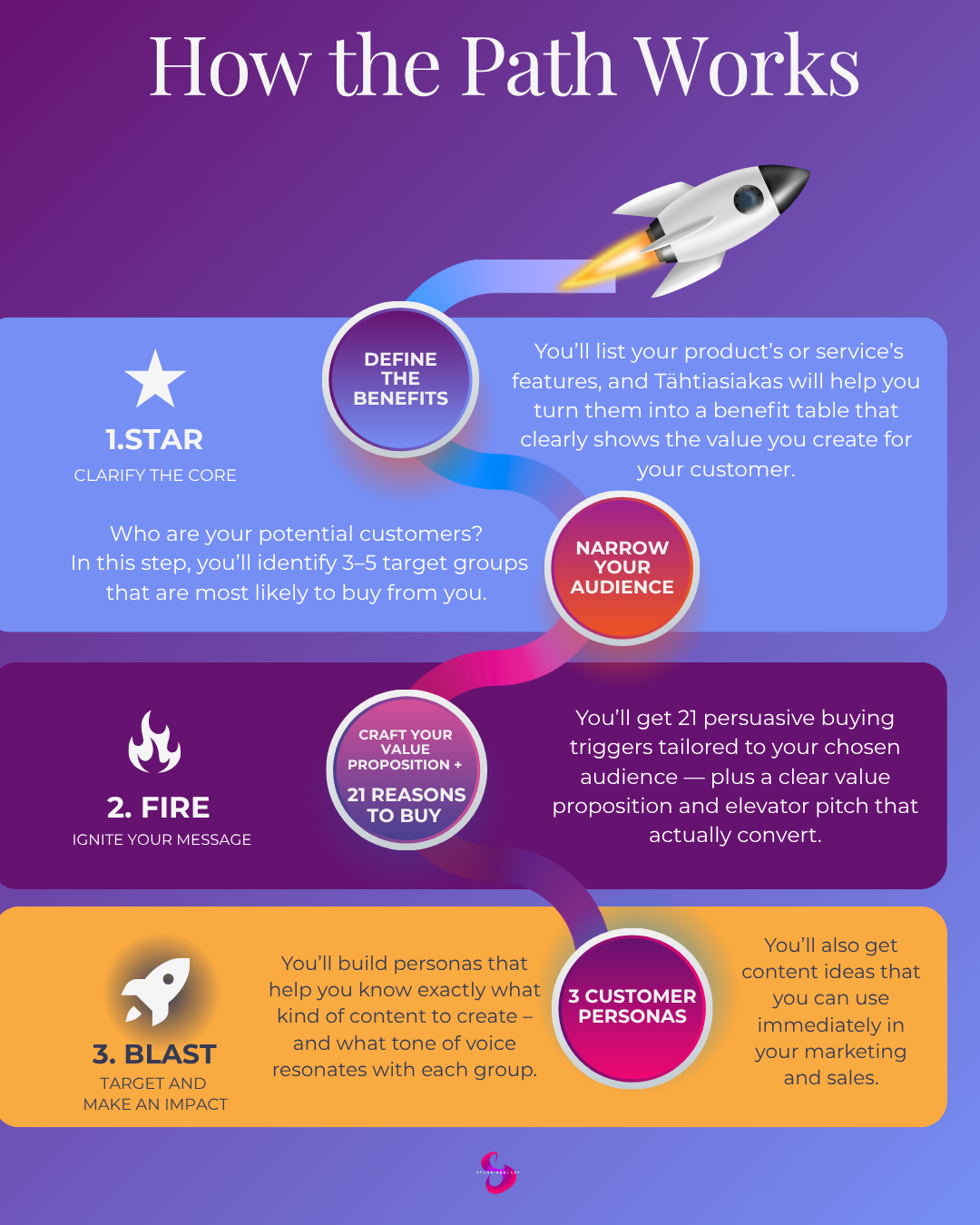
Transitioning from sustainability knowledge to effective implementation requires tools and guidance tailored to solo entrepreneurs and small teams navigating resource constraints. Starfireblast offers a purpose-driven platform designed specifically for entrepreneurs who want to build meaningful, sustainable businesses without burning out or compromising values. The Customer StarMap™ AI Power Workshop helps you align your business model with customer values and sustainability priorities before scaling operations.

Unlike generic business tools optimizing for growth at any cost, Starfireblast combines customer understanding, brand clarity, and practical AI-assisted execution within a framework of planetary productivity. This approach ensures your business supports human well-being, economic viability, and ecological responsibility simultaneously. The platform provides community-driven growth strategies that build authentic engagement rather than relying on extractive advertising models. Exploring the sustainable entrepreneurship guide reveals how these tools translate sustainability principles into daily business practices. Visit Starfireblast to discover resources supporting your sustainable business journey.
Frequently asked questions
What are the basics of business sustainability for small enterprises?
Business sustainability involves managing environmental, social, and economic impacts responsibly to ensure long-term viability while benefiting people and planet. For small enterprises, this means integrating resource efficiency, ethical practices, and stakeholder well-being into daily operations and strategic decisions. Start by identifying your most significant impacts and implementing practical improvements within current capacity rather than pursuing comprehensive transformations immediately.
How can solo entrepreneurs overcome resource limitations to be sustainable?
Start small by focusing on high-impact changes requiring minimal investment, such as waste reduction, energy efficiency, or supplier selection improvements. Leverage free informational resources, community networks, and collaborative initiatives that share costs and knowledge across multiple businesses. Scale sustainability efforts gradually as revenue grows rather than attempting comprehensive implementation that strains limited resources.
What are simple sustainable practices that small teams can implement today?
Reduce waste through recycling programs, reusable packaging, and digital workflow adoption that eliminates unnecessary printing. Switch to energy-efficient equipment, optimize heating and cooling, and prioritize remote work options that reduce facility energy consumption. Engage customers and partners in shared sustainability goals through transparent communication about your practices and inviting their participation in improvement initiatives.
How does sustainability improve small business competitiveness?
Sustainability creates differentiation in crowded markets by attracting values-aligned customers willing to pay premium prices for responsible products and services. It reduces operating costs through resource efficiency and waste minimization while building resilience against supply chain disruptions and regulatory changes. These combined benefits strengthen market position and profitability over time.
What metrics should small businesses track for sustainability progress?
Track energy consumption, waste generation, water use, and material efficiency as core environmental metrics requiring minimal measurement infrastructure. Monitor employee satisfaction, customer retention, and community engagement as social sustainability indicators. Measure profitability, revenue growth, and cost savings from sustainability initiatives to demonstrate economic viability and justify continued investment.
Recommended
- Why sustainable entrepreneurship matters for solopreneurs – Starfireblast
- Sustainable growth strategies for entrepreneurs in 2026 – Starfireblast
- Business Evolution Explained: Sustainable Growth for Entrepreneurs – Starfireblast
- How community drives sustainable business growth in 2026 – Starfireblast